
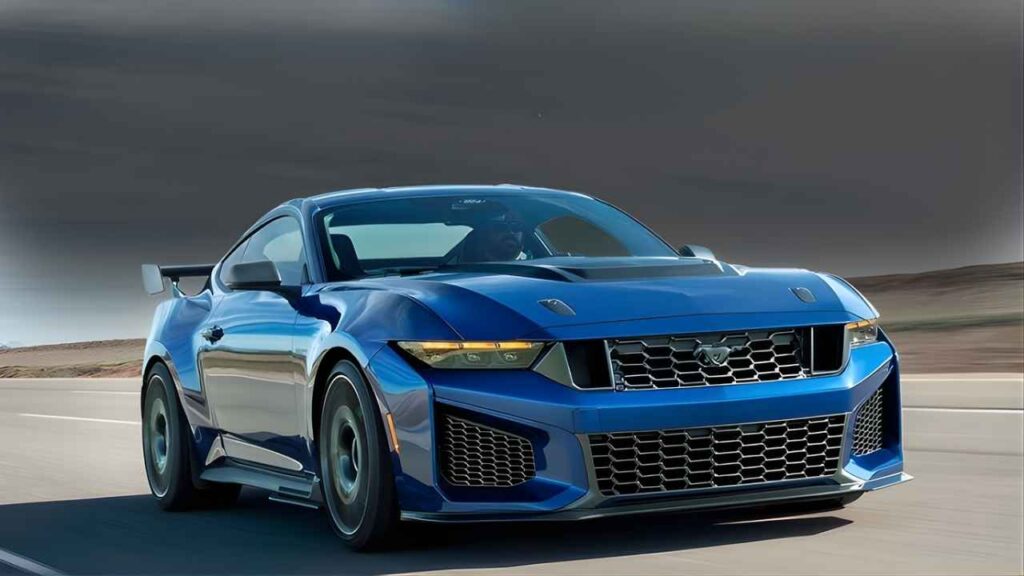

A V8 Mustang still matters in 2026. The 2026 Ford Mustang GT stands as one of the last widely available rear-drive V8 coupes. It keeps the original Mustang idea alive: strong engine feel, clear driver control, and a shape that looks like it belongs on an open road.
Ford builds the GT for torque-led driving, not for trick technology. You press the throttle, the car moves with instant response, and the rear wheels do the work. The newest chassis also aims for calm stability at speed, so the car feels more like a modern sports coupe than an old-school muscle machine.
This Mustang suits people who enjoy real mechanical character. Manual fans, weekend drivers, and long-term owners often pick the GT because it offers simple enjoyment without needing supercar money. It also suits buyers who like tuning and upgrades, since the Mustang world supports mods almost everywhere.
2026 Ford Mustang GT
The 2026 Mustang GT stays a modern muscle coupe with sports-car ability. You get a fastback shape, and you can expect a convertible option in many markets.
GT still matters because it marks the V8 identity. EcoBoost models focus on efficiency and lighter front weight, but GT focuses on engine character, sound, and mid-range pull.
For 2026, Ford likely keeps the S650 foundation and adjusts trims, software, colours, and option structure. Small power or calibration changes may happen due to emissions rules (not confirmed).
Ownership suits people who want V8 feel with a mod-friendly base. Exhausts, tyres, brake pads, and suspension parts remain common upgrades.
Key Mustang GT Specs Worth Knowing
| Car Name | 2026 Ford Mustang GT |
| Body Style | Fastback Coupe / Convertible |
| Platform / Chassis Type | S650 Mustang RWD performance chassis |
| Engine Layout | Front-engine, longitudinal |
| Engine Type | Naturally aspirated V8 (Coyote family, expected) |
| Displacement | 5.0 litres |
| Power (estimated range) | 470–510 hp |
| Torque (estimated range) | 560–625 Nm (410–460 lb-ft) |
| Redline (estimated) | 7,200–7,600 rpm |
| Transmission Options | 6MT likely / 10AT likely |
| Drivetrain | Rear-wheel drive |
| 0–60 mph (estimated range) | 3.8–4.5 sec |
| Top Speed (estimated) | 250–274 km/h (155–170 mph) |
| Curb Weight (approx range) | 1,720–1,860 kg |
| Brakes | Base: vented discs / Pack: larger Brembo setup |
| Suspension Type | Front strut + rear multi-link; MagneRide optional |
| Wheel/Tyre Setup | 18–20 inch; summer tyres on performance trims |
| Price Range (estimated | US $48k–$62k / UK £52k–£70k / EU €62k–€82k |
| Target Buyers | V8 enthusiasts, manual fans, touring + track users |
(All numbers stay estimated. Final outputs and options depend on market and Ford confirmation.)
How Ford Builds the GT?
Ford usually makes Mustang GT production simple; one core car, then many option paths. This keeps the GT widely available, while still letting buyers shape how the car feels and sounds.
- Core mechanical base: V8 + RWD with a limited-slip differential likely
- Performance packs: MagneRide, Brembo brakes, oil coolers, chassis bracing
- Sound + style: active exhaust, stripes, wheels, spoiler choices
- Market changes: Europe may get fewer trims due to emissions and supply limits
Package names can change by country, and some features appear only in certain regions. Allocation can also limit what dealers can order.
Exterior Built For Airflow & Stability
The Mustang GT design does not only aim for drama. It also tries to manage heat, airflow, and stability. A V8 needs cooling, and a fast coupe needs a stable nose.
- Hood and intakes: feed air to radiator and engine bay
- Side profile: long hood + short rear = classic Mustang proportion
- Rear layout: quad exhaust outlets likely on GT trims
- Track aero options: front splitter, spoiler or small wing, underbody panels
Overall, the shape shows intent. Ford gives it presence, but the better versions also support real high-speed control.
V8 Power System: Why Coyote Style Still Works
The Mustang GT likely keeps the 5.0 V8 because it brings a direct, natural response that turbo engines often cannot copy. You get clean throttle feel, smooth rev climb, and strong pull without waiting for boost.
| Engine | Power | Torque | Transmission | Drivetrain |
|---|---|---|---|---|
| 5.0L NA V8 (expected) | 470–510 hp | 560–625 Nm | 6MT / 10AT | RWD |
At low speed, the V8 should feel smooth and easy. In mid-range, it should pull hard without effort. The manual feels more interactive; the automatic feels faster and more consistent. The car values involvement over quiet luxury.
Interior Layout & Driver Environment
- Dashboard & Controls
- Expect a wide digital display, drive modes, and shortcut controls for key functions.
- Seating Position & Restraints
- You sit low with clear pedal alignment. Expect bolstered seats, with Recaro-style options on some trims.
- Materials & Finish
- Expect durable sport materials, stitching, and trim themes that resist wear.
- Visibility & Safety Awareness
- The hood line helps placement, but rear blind spots remain. Cameras and sensors reduce stress.
The cabin focuses on digital screens and quick driver info, but it still needs simple control logic. The interior aims for modern function, not luxury theatre.
Chassis, Suspension & Steering Behavior
Ford tunes the GT for street stability first, then track ability through packages. Chassis stiffness should help the car turn with less shake and less delay.
Steering should feel stable at high speed with clean response in corners. Feedback may feel filtered, but control should stay strong.
Ride firmness depends on wheel size. Large wheels and low-profile tyres feel sharper on broken roads.
Technology & Driver Information Systems
| Feature | Direction |
|---|---|
| Driver display style | large digital cluster + performance views |
| Connectivity | CarPlay/Android Auto expected (market dependent) |
| Physical vs touch balance | mixed, with key shortcuts likely |
| Software philosophy | fast menus, clear data, low lag |
Wheels, Tyres & Road Contact
Tyres decide how the Mustang GT behaves more than power does.
- Wheel sizes: about 18–20 inch range
- Summer tyres likely on performance trims
- Staggered setup likely with packs (wider rear)
- Ride height may drop with handling packs
- Splitter options reduce clearance on ramps
- Wet traction improves with good tyres and ESC tuning
Fuel Use & Mechanical Efficiency Direction
A V8 needs fuel, but Ford can reduce waste during cruising.
- Real fuel use: heavy in traffic, better on steady highways
- Cylinder deactivation may help economy (likely, not confirmed)
- V8 + gearing trade-off: smooth torque, higher fuel burn when pushed
Safety Systems & Structural Protection
Modern safety systems should fit the coupe layout without ruining feel.
- strong crash structure and body rigidity
- airbags + belt tension control
- ESC tuning: normal vs sport profiles
- driver assists with non-intrusive behavior
- parking sensors and camera aids
- emergency braking and lane support likely
Estimated Price & Buyer Profile
| Market | Estimated Price Range |
|---|---|
| US | $48,000–$62,000 |
| UK | £52,000–£70,000 |
| Germany/EU estimate | €62,000–€82,000 |
Pricing follows V8 hardware, brake/tyre packs, and emissions costs, especially in Europe.
Market Comparison Perspective
| Vehicle | Core Philosophy |
|---|---|
| Camaro (used/late) | V8 coupe balance + track ability |
| Challenger (used) | big muscle feel and comfort focus |
| Toyota GR Supra | compact turbo sports precision |
| BMW M240i | fast turbo coupe with premium edge |
| Nissan Z | classic sports coupe with turbo power |
| Audi S5 | refined speed and stability focus |
The GT sits between classic muscle feel and modern sports control. The Mustang GT stays unique because it mixes V8 sound, RWD feel, and reachable ownership.
Ford Mustang GT: Confirmed or Evolving?
Core identity looks stable for 2026; 5.0 V8, RWD, and package-based trims. That forms the Mustang GT backbone. Unconfirmed items include exact power, region trims, software updates, and calibration changes driven by emissions rules. Treat rumors as possible, not final.
How People Will Use Ford Mustang GT 2026?
Most owners use the GT for weekend roads, highway runs, and occasional track days with the right tyres and cooling. It also works as a long-term keep because parts and service remain widely available.
The 2026 Mustang GT holds a calm balance: heritage V8 identity, modern stability, and usable tech. It does not chase trends. It keeps the rear-drive GT idea alive with real mechanical purpose.